If you are new to the U.S. food assistance system — or just new to needing it — the alphabet soup of programs can be confusing. This guide explains, in plain English, what each major resource is, who qualifies, and how to start.
Food pantries
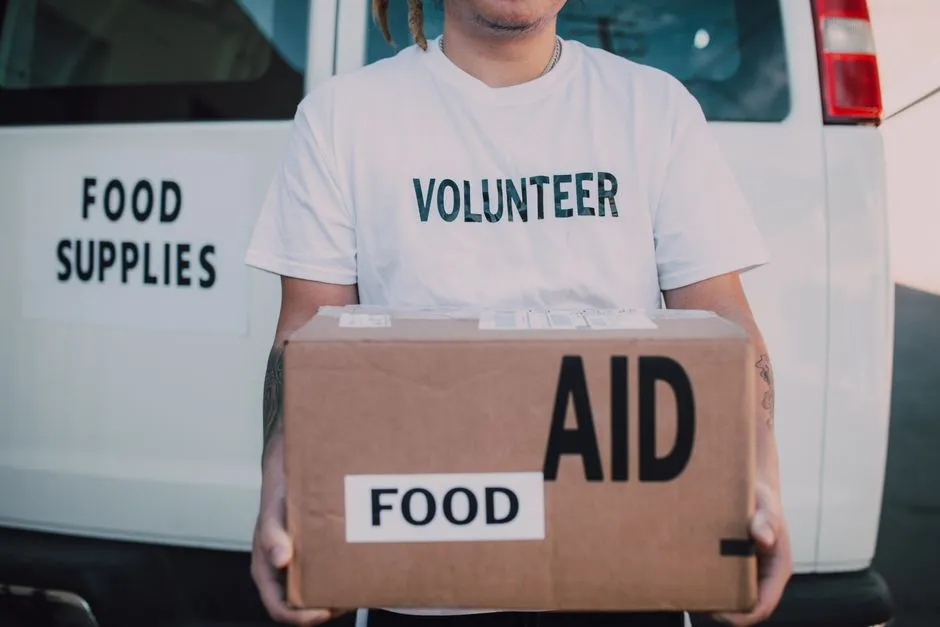
A food pantry is a community-run distribution point that gives away free groceries. Most pantries operate out of churches, schools, community centers, or nonprofit offices. They are stocked through donations and partnerships with regional food banks. There is usually no income test at the door; many pantries simply ask for a name and ZIP code. Pantries typically hand out enough food for a few days at a time and can usually be visited once or twice a month, depending on local rules.
Food banks
Food banks are larger warehouse operations that gather and store food in bulk and distribute it to a network of partner pantries and meal programs. You usually don't pick up food directly from a food bank — when you visit a food bank's website, it will direct you to one of its member pantries closer to home. Feeding America is the largest national food bank network, with about 200 regional food banks and 60,000 partner agencies serving every county in the country.
Free meal sites
Free meal sites — sometimes called community kitchens, soup kitchens, or congregate meal programs — serve hot meals on the spot, no groceries to take home. They are especially common near shelters, churches, and senior centers, and many serve a specific meal time each day. Food Aid Map lists meal sites alongside pantries when we have them on file.
SNAP (food stamps)
SNAP is the federal Supplemental Nutrition Assistance Program — what people often still call "food stamps." Benefits load onto an EBT card you can use like a debit card at most grocery stores, many farmers' markets, and increasingly at online retailers. Eligibility is based on household size and income; the threshold is roughly 130% of the federal poverty line, but rules vary by state. Apply through your state's Department of Human Services or social services portal — pantry staff frequently help neighbors fill out the application on a tablet.
WIC
WIC stands for Women, Infants, and Children. It provides vouchers for nutritious staples (milk, cheese, eggs, beans, fruits, vegetables, infant formula) to pregnant women, new mothers, and children up to age five. Income limits are higher than SNAP, so families that don't qualify for SNAP often qualify for WIC. Apply through your state or local health department.
School meal programs
Public schools across the U.S. participate in the National School Lunch Program and School Breakfast Program, which provide free or reduced-price meals to children from low-income households. Many districts have moved to universal free meals for all students. Ask the school office or guidance counselor. Summer meal programs and weekend "backpack" programs fill in gaps when school is out.
Senior nutrition programs
Adults 60 and older can ask the local Area Agency on Aging about home-delivered meals (Meals on Wheels) and senior congregate meal sites, which serve a hot lunch in a community setting most weekdays. These programs are typically free or operate on a small suggested donation.
Putting it together
None of these programs are mutually exclusive. A family can use a food pantry, receive SNAP benefits, qualify for WIC, and have school-age kids on free school meals all at the same time. Food assistance is meant to layer — pantries cover the next few days, SNAP and WIC stretch the grocery budget across the month, and school meals take pressure off weekday lunches. If you're unsure where to start, visit a pantry on Food Aid Map and ask. Pantry staff are some of the most knowledgeable navigators of the broader system, and they will not judge you for asking.